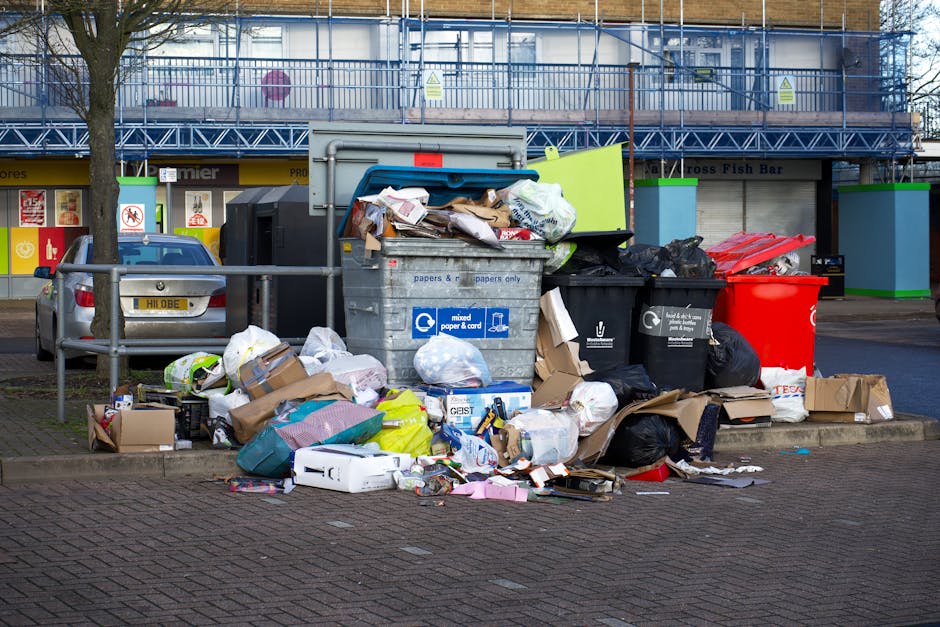
Ealing Broadway rubbish clearance options for flats West London

If you live in a flat near Ealing Broadway, you already know how rubbish can pile up in awkward little ways. A broken chair in the hallway, a couple of bags after a move, a bulky mattress wedged behind the airing cupboard... and suddenly the place feels tighter, messier, and more stressful than it should. The good news is that Ealing Broadway rubbish clearance options for flats West London are flexible, and there are sensible ways to handle everything from one-off clutter to full flat clearances without turning your day upside down.
This guide walks through the practical options, how they work in real life, what to avoid, and how to choose the right approach for a flat in West London. It is written for people who want the job done properly, not just quickly.
Why Ealing Broadway rubbish clearance options for flats West London Matters
Flat living changes the rules a bit. There is less storage, shared access, tighter stairwells, more neighbours, and usually less tolerance for mess hanging around in communal areas. In a house, you might shove unwanted items into a corner and deal with them over the weekend. In a flat, that approach tends to go wrong quickly. It looks untidy, blocks shared entrances, and can trigger complaints from neighbours or building management.
That is why choosing the right rubbish clearance method matters. A good plan saves time, protects common areas, and reduces the risk of damage when items need carrying down stairs or through narrow corridors. It also helps you separate genuine rubbish from items that could be reused, donated, or recycled. Truth be told, that last part is where a lot of people feel the biggest relief. Less waste, less chaos.
There is also the practical side of living around Ealing Broadway itself. Flats here can vary a lot: modern apartment blocks with lift access, older conversions with tight staircases, and managed buildings where timing and access need to be arranged carefully. What works well for one building can be a poor fit for another.
Key point: the best rubbish clearance option is not always the cheapest or the fastest. For flats, the best option is the one that fits the access, the volume of waste, and the rules of the building without creating extra hassle.
How Ealing Broadway rubbish clearance options for flats West London Works
At a basic level, rubbish clearance for flats usually follows a simple pattern: assess what needs removing, decide how it should be handled, arrange access, and then collect, load, and dispose of it responsibly. The difference lies in how much support you need at each step.
Some people only need a small rubbish collection for bagged items, packaging, or a few bits of old furniture. Others need a more complete flat clearance after a move, a refurbishment, or a long-overdue declutter. The service type usually depends on what you have and how accessible the property is.
Here is what typically happens:
- Initial assessment: You list the items, estimate volume, and note access details such as lifts, stairs, parking, or time restrictions.
- Collection method chosen: The provider suggests a suitable clearance or removal service based on the amount and type of waste.
- Access planning: In flats, this can be the make-or-break step. Someone needs to know whether there is lift access, whether the items need disassembly, and where loading can happen.
- Removal and loading: Items are taken out carefully, with extra attention to shared hallways, walls, and floors.
- Sorting and disposal: Reusable items, recycling, and general waste are separated where possible.
You might also find that larger items need specialist handling. A sofa, for example, is not the same as a few bin bags. It may need two people, protective equipment, and a clear route out of the building. That sounds obvious, but it is exactly the sort of thing that catches people out on moving day.
For many flat owners and tenants, a service like flat clearance is the most efficient route because it is designed for multi-storey living and the realities that come with it. If the job is smaller and you mainly need mixed household waste taken away, rubbish clearance or rubbish removal may be enough.
Key Benefits and Practical Advantages
There are a few reasons people in West London tend to prefer organised clearance rather than trying to handle everything themselves. Some are obvious. Some only become obvious after you have carried a wardrobe down three flights of stairs and had to stop halfway to catch your breath. Not ideal.
1. Faster turnaround
When waste is cleared in one visit, you get your space back quickly. That matters if you are preparing a flat for sale, end of tenancy, decorating, or simply trying to live without boxes everywhere.
2. Less disruption in shared buildings
In flats, the route matters as much as the rubbish itself. Careful clearance keeps communal areas tidy and reduces the chance of complaints from neighbours or managing agents.
3. Better handling of bulky items
Bulky waste is where DIY plans often fall apart. Sofas, wardrobes, divan beds, broken appliances, and old desks are awkward in a flat. Professional handling makes the job safer and less stressful.
4. More flexible than skip hire in many flats
Skips can be awkward in dense residential streets or where there is no space outside the building. In many flat settings, a loaded clearance vehicle is simply more realistic.
5. Potentially better sorting and recycling
Responsible clearance often means more thought about what can be reused or recycled. Even small actions here make a difference, especially when clearing several rooms.
6. Less risk of injury or damage
Heavy lifting through narrow stairwells is where scratches, strained backs, and chipped paint tend to happen. It is not glamorous, but it is very real.
Expert summary: For flats in Ealing Broadway, the best rubbish clearance option is usually the one that balances access, speed, safety, and disposal quality. If it saves time but creates building problems, it is probably not the right fit.
Who This Is For and When It Makes Sense
This topic is relevant to a wider range of people than you might expect. It is not just for people doing a big clear-out. In our experience, the need often shows up in smaller, slightly messy moments first. A hallway starts filling up. The spare room becomes a storage room. Suddenly there is a mattress, two lamps, and a stack of cardboard that has been "temporary" for about three months.
You may need flat rubbish clearance if you are:
- moving out of a flat in Ealing Broadway
- preparing a rental property for new tenants
- clearing an inherited flat
- getting rid of bulky items that will not fit in household bins
- renovating or redecorating
- removing post-refurbishment debris
- decluttering after a long period of accumulation
- managing waste from an office or mixed-use flat conversion
It also makes sense when you need to act quickly. If you have a building inspection, landlord handover, estate agent visit, or family visit looming, getting the waste out early gives you breathing room. And that breathing room matters.
If your flat is part of a larger property type or you are clearing a wider domestic space, related services like home clearance or house clearance may be more suitable. For single-item removal, furniture disposal can be a cleaner, simpler match.
Step-by-Step Guidance
Here is a practical way to approach rubbish clearance in a flat without overcomplicating it.
1. Sort what you have
Start by separating items into rough groups: keep, donate, recycle, and remove. You do not need perfect precision. Just enough clarity to stop the same lamp being moved from corner to corner for another six months.
2. Check access carefully
Measure doorways if needed. Note stairs, lift size, parking restrictions, concierge rules, and any time windows for vehicle access. Small details like this can change the whole job.
3. Identify bulky or awkward items
Mattresses, wardrobes, white goods, and sofas often need special handling. If you have any broken glass, loose sharp edges, or heavy furniture, flag it early.
4. Choose the most suitable service
If it is a modest amount of mixed waste, a collection or removal service may be enough. If the flat needs a more complete tidy-out, a dedicated clearance option is usually more efficient. For bigger jobs across West London, people often compare waste clearance with waste removal depending on how much labour and sorting is required.
5. Prepare the property
Clear a path, protect floors if items are likely to scrape, and make sure pets, children, or housemates are not underfoot. A few minutes here can save a lot of awkward shuffling later.
6. Agree what happens to the waste
Ask how items will be handled: general waste, recycling, reusable goods, and any special waste streams. You do not need a lecture, just a clear answer.
7. Finish with a quick check
Once the items are gone, walk through the flat and the route used out of the building. Look for small bits left behind, marks on walls, or anything that needs a second pass. It is surprising how often one little screw or cable gets overlooked.
Expert Tips for Better Results
There are a few habits that make flat clearance much easier. None of them are glamorous. All of them help.
- Photograph bulky items before collection. It helps avoid confusion and is useful if you are comparing service options.
- Keep hallway access clear. A tidy route speeds everything up and lowers the chance of damage.
- Disassemble what you can safely dismantle. Flat-pack furniture often becomes far less awkward once taken apart. Just keep screws in a labelled bag.
- Separate reusable items early. If there is a chair, shelf, or appliance in decent condition, deal with it first rather than mixing it into general waste.
- Think about timing. Midday slots can be easier in busy residential areas than early morning or late evening. Depends on the building, of course.
- Tell the provider about stairs, lifts, and parking honestly. It is better to be slightly over-cautious than to discover a last-minute access problem.
One of the best things you can do is keep the job simple. Resist the urge to make a giant, all-day "sorting project" out of a task that just needs momentum. A clear plan, a clear route, and a clear finish line. That is usually enough.
For more awkward or mixed clearances, some people also look at builders waste when the flat has undergone light renovation work, or sofa removal when the main issue is a single oversized item.
Common Mistakes to Avoid
Let's face it, most clearance headaches come from the same handful of mistakes. They are common, but they are avoidable.
- Underestimating volume. One small corner can turn into several cubic metres very quickly once bags are opened and furniture is moved.
- Ignoring building rules. Some blocks require notice, booking a lift, or using a service entrance. If you skip that step, the job can stall.
- Leaving items in communal areas. This is a bad idea for obvious reasons. It looks messy and can create issues with management or neighbours.
- Mixing awkward waste types together. Items like paint, batteries, and electronics may need separate handling. Do not assume everything can go in one pile.
- Waiting until moving day. That is when stress is highest and access is often tightest. Earlier is much better.
- Trying to move everything alone. Even if you can physically manage it, the risk to the walls, staircase, and your back is not worth the heroics.
Another one people forget: forgetting the "small stuff." Cables, drawers, under-bed storage, and random items on top of wardrobes. Those things add up. They always do.
Tools, Resources and Recommendations
You do not need a garage full of gear to handle a flat clearance, but a few simple tools can help you organise the process properly.
- Marker pen and labels: useful for separating keep, donate, and remove piles.
- Strong bin bags or sacks: for loose waste and lightweight clutter.
- Gloves: especially useful for dusty loft storage, old furniture, or mixed waste.
- Tape measure: helpful if large items need to pass through tight doorways or lifts.
- Phone camera: ideal for photos of bulky items and access points.
- Cardboard boxes: good for sorting books, kitchenware, and fragile odds and ends.
For West London residents, it can also help to think beyond immediate waste removal. If the clear-out includes office materials, garden bits from a flat terrace, or mixed domestic clutter, related services such as office clearance, garden clearance, or garage clearance may be relevant depending on the situation.
If you are comparing local coverage, it may also help to look at the wider West London service area and nearby locations such as Ealing, West Ealing, and Acton Ealing. That gives a clearer picture of how service coverage and response times might vary.
Law, Compliance, Standards, or Best Practice
With rubbish clearance, the main thing is to make sure waste is handled responsibly and by people who understand the basics of lawful disposal. You do not need to become an expert in waste legislation overnight, but it is sensible to ask a few straightforward questions.
In practice, that means checking that waste is removed by a legitimate operator, that different waste types are sorted appropriately, and that items are not just dumped somewhere inconvenient for somebody else to deal with. It sounds basic because it is basic. Still, it matters.
For flats, compliance also includes the building side of things. Managed blocks often have rules about access, lift use, protective coverings, and collection times. If a concierge or managing agent is involved, let them know in advance. It keeps things smooth and avoids that slightly awkward moment when two people are both sure the other one made the booking.
Best practice is usually simple:
- confirm access arrangements before the day
- separate any items that need special handling
- avoid blocking fire routes or communal entrances
- protect flooring and walls where practical
- use a provider that can explain what happens to different waste streams
If you are clearing out a property after a tenancy, a sale, or a move, it is worth keeping basic records of what was removed and when. Nothing dramatic. Just enough to show the job was done properly if anyone asks later.
Options, Methods, or Comparison Table
Choosing between the main options depends on access, waste volume, and how much lifting you want to avoid. Here is a simple comparison to make that easier.
| Option | Best for | Strengths | Limitations |
|---|---|---|---|
| Flat clearance | Whole flat or several rooms | Good for larger jobs, mixed items, and complete tidy-outs | May be more than you need for a small load |
| Rubbish collection | Bagged waste and smaller loads | Quick, efficient, and simple to arrange | Less suitable for bulky furniture |
| Rubbish removal | Loose waste and mixed household items | Handy for straightforward disposals | May not suit complex clearances |
| Furniture disposal | Sofas, tables, wardrobes, beds | Ideal for heavy or awkward single items | Not designed for broader clutter |
| Waste clearance | Mixed residential or light commercial waste | Flexible for different item types | Can be broader than needed for a tiny job |
If your flat is full of mixed items, from cardboard and old shelves to a damaged mattress, a broader clearance option usually makes life simpler. If you only need one or two bulky items gone, a targeted removal service may be the cleaner choice. No drama, just the right tool for the job.
Case Study or Real-World Example
Here is a realistic example based on the kind of situation people often face around Ealing Broadway.
A tenant in a two-bedroom flat was moving out at the end of the month. The property had accumulated several bin bags, a broken coffee table, an old bed frame, and a few items left in the balcony area that had been sitting there since the previous winter. Nothing outrageous. Just enough clutter to make the flat feel cramped.
The main challenge was access. The block had a shared lift, limited parking outside, and a narrow entrance hallway. The solution was to sort items in advance, keep the route clear, and separate the bulky items from the lighter rubbish. The sofa and bed frame were handled as furniture items, while mixed clutter went as general waste. The whole job was easier because the flat was prepared before the team arrived. No last-minute rummaging, no "wait, is this going too?" moments. Well, only one or two.
The practical lesson is simple: the cleaner the prep, the smoother the clearance. In a flat, that matters more than people think. A little organisation at the start saves time, reduces noise in the building, and makes the end result feel properly finished.
Practical Checklist
Use this checklist before booking or carrying out a flat clearance in Ealing Broadway.
- List every item you want removed
- Separate keep, donate, recycle, and remove piles
- Measure access points if large items are involved
- Check lift size, stairs, and parking restrictions
- Tell the provider about any fragile areas or awkward routes
- Remove valuables and personal documents first
- Bag loose waste securely
- Label items that need special care
- Confirm building rules with the managing agent if needed
- Arrange a suitable time window for collection
- Clear the hallway and communal route as much as possible
- Do a final sweep after the clearance is finished
A small detail here can save a big headache later. Honestly, it often does.
Conclusion
Ealing Broadway rubbish clearance options for flats West London are at their best when they fit the realities of flat living: shared spaces, awkward access, limited storage, and the need to get things done cleanly. Whether you are clearing one bulky item or a full flat, the right approach is usually the one that keeps the building happy, protects your time, and leaves the property looking properly sorted.
If you remember only one thing, make it this: plan for access first, waste type second, and speed third. That order tends to work far better than rushing in and hoping for the best. And if you are not sure which option suits your flat, compare the likely volume, think about the building rules, and choose the method that makes the least fuss.
Get a free quote today and see how much you can save.
Sometimes the hardest part is just starting. Once it begins, the space opens up, and the whole flat feels lighter. That relief is hard to beat.
Frequently Asked Questions
What is the best rubbish clearance option for a flat near Ealing Broadway?
It depends on what you need removed. For a full flat or mixed clutter, flat clearance is usually the most practical choice. For bagged waste or a smaller load, rubbish collection or rubbish removal may be enough. If the main issue is a bulky item like a sofa or bed, furniture disposal can be the simplest route.
Can rubbish be collected from a flat with no lift?
Yes, but it needs to be planned carefully. Stairs change the time, labour, and access required, especially for bulky items. It helps to mention the number of floors, stair width, and whether there are any tight corners before booking.
How do I prepare a flat for rubbish clearance?
Sort items into keep, donate, recycle, and remove piles, clear hallway access, and remove valuables first. If possible, label anything fragile or awkward. A few minutes of prep can make the whole job much smoother.
Is skip hire a good idea for flats in West London?
Sometimes, but not always. In many flat settings, skip hire is awkward because of space, parking, and permit considerations. A collection-based clearance can be easier where access is tight or communal areas need to stay clear.
What happens to the items after collection?
That depends on the type of waste and the service used. Good practice is to separate reusable items, recycling, and general waste where possible. If you are unsure, ask how items will be handled before the job starts.
How much notice do I need for rubbish clearance?
It varies by job size and access requirements. Smaller collections may be arranged fairly quickly, while larger flat clearances benefit from more notice so parking, lift access, and building rules can be sorted out.
Can I include old furniture in a flat clearance?
Yes, and that is very common. Sofas, wardrobes, tables, chairs, and beds are often part of flat clearances. It helps to mention bulky furniture early so the right equipment and staffing can be planned.
Do I need permission from my building management?
In many managed blocks, yes, or at least you may need to follow certain rules. This can include booking a lift, using a service entrance, or giving notice for a collection. Check before the day to avoid delays.
What if I only have a few rubbish bags and one old chair?
That is usually better suited to a smaller rubbish collection or furniture disposal service rather than a full clearance. Matching the service to the actual load usually saves money and keeps things simple.
Are there special rules for electrical items or appliances?
Electrical items may need separate handling, depending on their condition and the disposal route used. It is best to flag them in advance so they are not mixed in with ordinary rubbish.
What should I ask before booking a clearance service?
Ask what types of waste are accepted, how access is handled, whether bulky items are included, and what happens to recyclable materials. For flats, it is also wise to ask about stairs, lift use, and parking requirements.
Is it worth clearing a flat before decorating or selling?
Usually, yes. A clear flat is easier to decorate, stage, photograph, and live in. It also reduces stress while other work is going on. Even a partial clearance can make a noticeable difference.